
Popular Perfume Brands: A Deep Dive into Fragrance Excellence
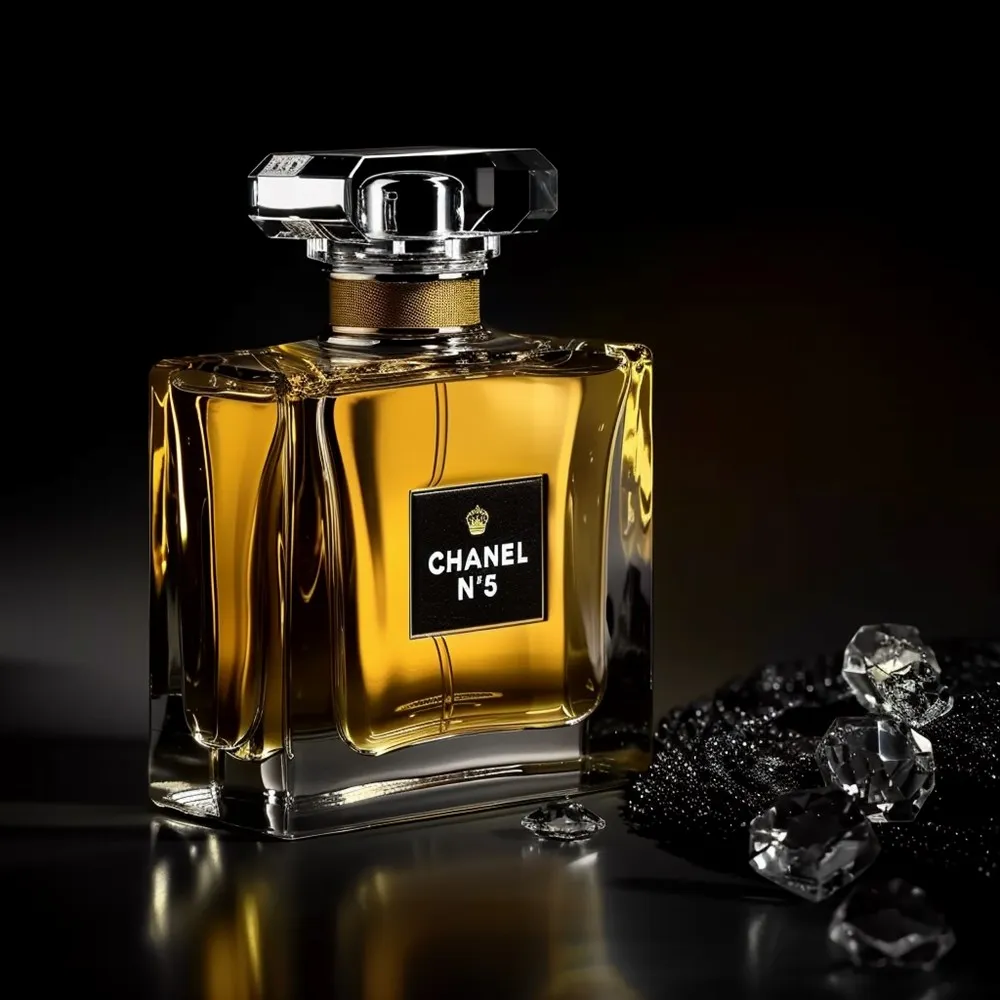
In the world of scents, popular perfume brands have a significant impact on how we express ourselves and evoke emotions through fragrance. From luxury to more accessible options, these brands have carved their niches, appealing to diverse tastes and preferences. This article will explore some of the most popular perfume brands, their signature scents, brand philosophies, and what makes them stand out in the competitive fragrance industry.
The Evolution of Perfume Brands
Perfume has been an integral part of human culture for thousands of years. Ancient civilizations used fragrant oils and incense for religious rituals, personal grooming, and to signify social status. Today, the landscape of popular perfume brands includes a wide range of offerings, from artisanal perfumeries to global luxury houses.
A Brief History
The modern perfume industry began in the late 19th century with the creation of synthetic fragrance compounds, allowing for a broader range of scents. This innovation gave rise to iconic brands such as Chanel and Dior, who have since become household names. The evolution of these brands reflects changing tastes, cultural shifts, and advances in technology.
Read More: Fragrance news
Exploring Popular Perfume Brands
1. Chanel
Chanel is synonymous with luxury and elegance. Founded by Coco Chanel in 1910, the brand’s signature scent, Chanel No. 5, remains one of the best-selling perfumes globally. This timeless fragrance is celebrated for its complex blend of floral and aldehydic notes, embodying sophistication and femininity. Chanel's commitment to quality and innovation keeps it at the forefront of the perfume industry.
2. Dior
Dior is another heavyweight in the fragrance world. Since the launch of Eau Sauvage in 1966, Dior has continually released iconic fragrances that capture the spirit of elegance and modernity. Notable scents include Dior Sauvage, known for its fresh, spicy notes and rugged masculinity, and J’adore, a symbol of femininity with its rich floral bouquet. Dior’s ability to blend classic elements with contemporary flair makes it a beloved choice for fragrance lovers.
3. Gucci
Gucci has transformed from a luxury fashion brand into a major player in the perfume industry. With fragrances like Gucci Bloom and Gucci Guilty, the brand explores a range of scent profiles, from floral to bold and daring. Gucci’s fragrances often reflect the brand’s eclectic style and commitment to creativity, making them popular among younger audiences seeking unique scents.
4. Calvin Klein
Calvin Klein has been a pioneer in the fragrance industry since the 1980s. The brand is known for its minimalist aesthetic and has produced several iconic scents, including CK One and Euphoria. CK One, one of the first unisex fragrances, revolutionized how fragrances were marketed. Calvin Klein’s perfumes are celebrated for their simplicity and modernity, appealing to a wide audience.
5. Yves Saint Laurent (YSL)
YSL is celebrated for its bold, sensual fragrances. The brand’s signature scent, Opium, launched in the 1970s, challenged conventional norms and became a symbol of opulence and extravagance. YSL continues to innovate with fragrances like Black Opium, which blends sweet and spicy notes for a contemporary twist. The brand's commitment to pushing boundaries ensures its place among the popular perfume brands.
6. Marc Jacobs
Marc Jacobs is known for its playful and whimsical approach to fragrance. The brand offers a variety of scents that often feature fruity and floral notes, appealing to a younger demographic. Fragrances like Daisy and Marc Jacobs Decadence showcase the brand's creative spirit and ability to capture the essence of modern femininity. The eye-catching bottle designs further enhance the allure of these fragrances.
7. Tom Ford
Tom Ford has redefined luxury with his eponymous fragrance line. Known for its bold, sensual scents, the brand has produced some iconic fragrances, including Black Orchid and Tobacco Vanille. Tom Ford’s fragrances often push the boundaries of traditional scent profiles, making them highly sought after by connoisseurs. The luxurious presentation and high-quality ingredients contribute to the brand's premium appeal.
8. Jo Malone
Jo Malone is known for its unique approach to fragrance layering and simplicity. The brand offers a range of colognes that can be worn alone or mixed to create a personalized scent experience. Scents like Lime Basil & Mandarin and Peony & Blush Suede have become favorites, reflecting a fresh, English garden aesthetic. Jo Malone’s emphasis on craftsmanship and quality ingredients has solidified its status among popular perfume brands.
What Makes a Brand Popular?
Several factors contribute to the popularity of a perfume brand:
Quality of Ingredients
High-quality ingredients play a crucial role in determining the scent's longevity and overall appeal. Popular brands often invest in sourcing the best raw materials, ensuring that their fragrances remain captivating over time.
Brand Heritage and Story
A strong brand heritage can significantly enhance a perfume’s allure. Brands like Chanel and Dior have rich histories that resonate with consumers, adding a layer of sophistication and prestige to their offerings.
Marketing and Packaging
The way a fragrance is marketed and packaged can greatly influence its popularity. Eye-catching designs and effective advertising campaigns help create a memorable identity. For instance, Marc Jacobs' whimsical bottles and Jo Malone’s elegant packaging contribute to their brand recognition.
Trend Adaptation
Popular perfume brands often adapt to changing trends and consumer preferences. Whether it's the rise of clean and sustainable fragrances or the demand for unisex scents, successful brands are quick to respond and innovate.
Celebrity Collaborations
Collaborations with celebrities can boost a brand's visibility and appeal. Many popular brands leverage the influence of celebrities to reach broader audiences, resulting in increased sales and brand loyalty.
The Future of Popular Perfume Brands
As the fragrance industry continues to evolve, the landscape of popular perfume brands is likely to change. Sustainability is becoming a significant focus, with many brands exploring eco-friendly practices and ingredients. The rise of niche perfumeries is also influencing the market, offering unique scents that cater to a more discerning clientele.
Sustainability Initiatives
Brands are increasingly recognizing the importance of sustainability in fragrance production. This includes sourcing ingredients ethically, using recyclable packaging, and reducing carbon footprints. Consumers are becoming more conscious of their purchasing decisions, favoring brands that align with their values.
The Rise of Niche Brands
While traditional powerhouses will continue to thrive, niche perfume brands are gaining traction. These brands often focus on craftsmanship and creativity, offering unique and artisanal scents that stand out in a crowded market. As consumers seek individuality in their fragrances, niche brands are well-positioned to meet this demand.
Conclusion
In conclusion, popular perfume brands play a vital role in shaping our fragrance experiences and personal identities. From the timeless elegance of Chanel to the playful spirit of Marc Jacobs, these brands offer something for everyone. As the fragrance industry evolves, it will be exciting to see how these brands adapt and innovate, continuing to enchant us with their captivating scents.
Whether you’re a fragrance novice or a seasoned enthusiast, exploring the world of popular perfume brands can lead to delightful discoveries that enhance your scent wardrobe. Embrace the journey and find the fragrances that resonate with your unique personality and style!